About Baltic Amber
What is Amber?
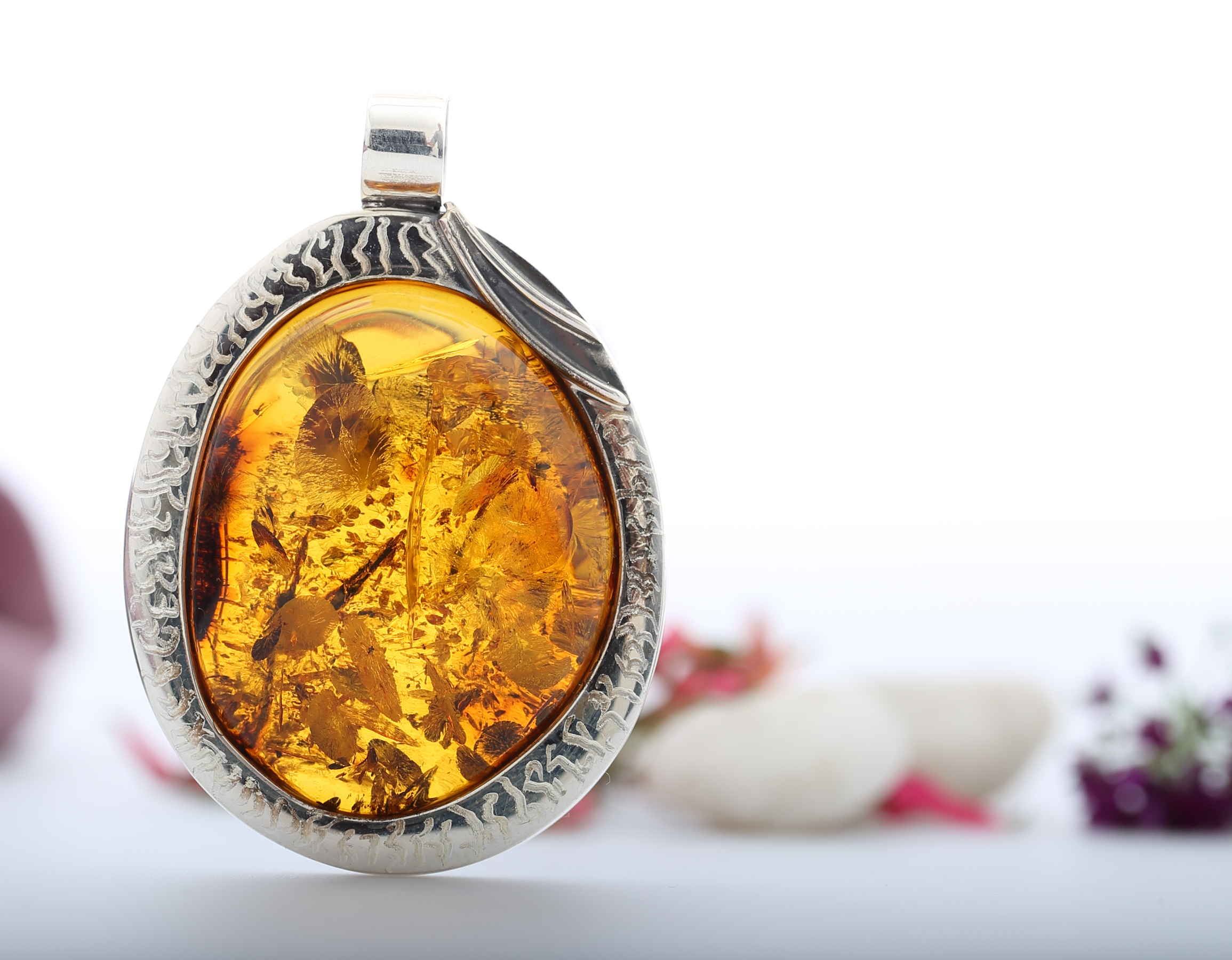
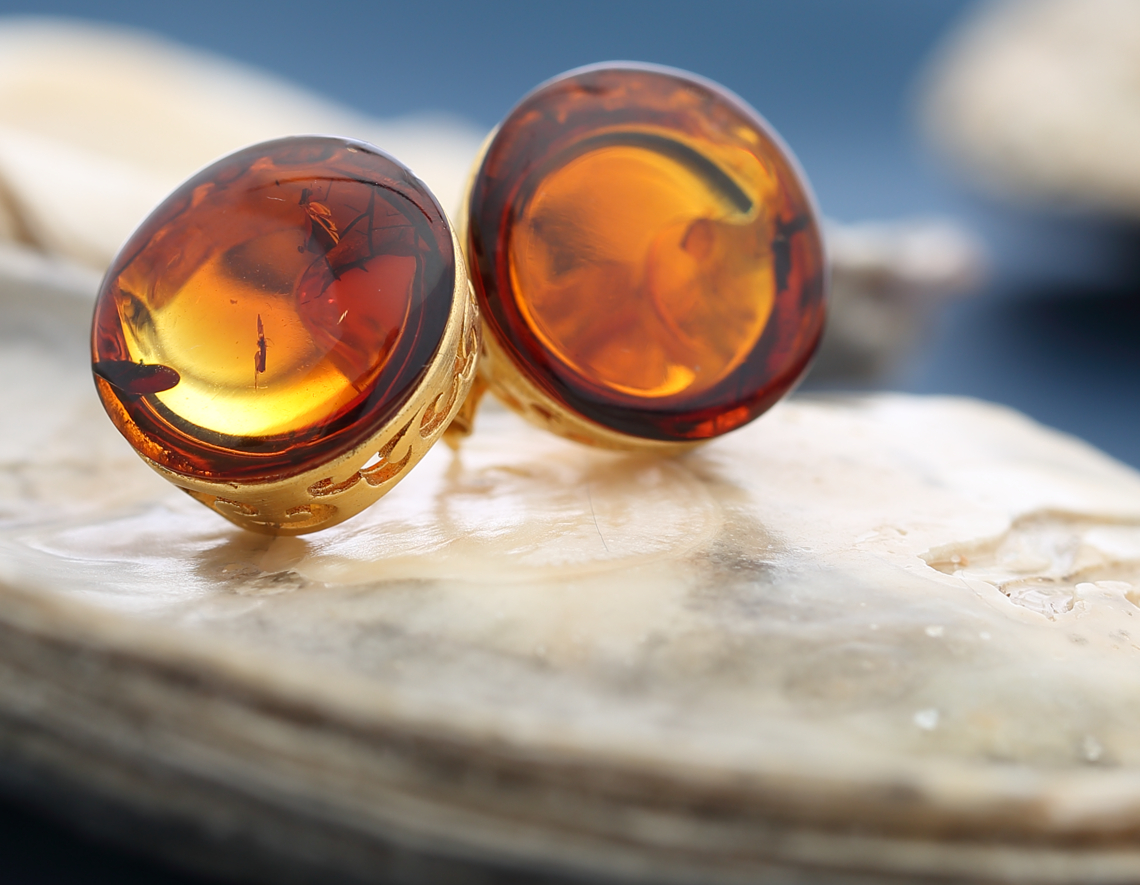
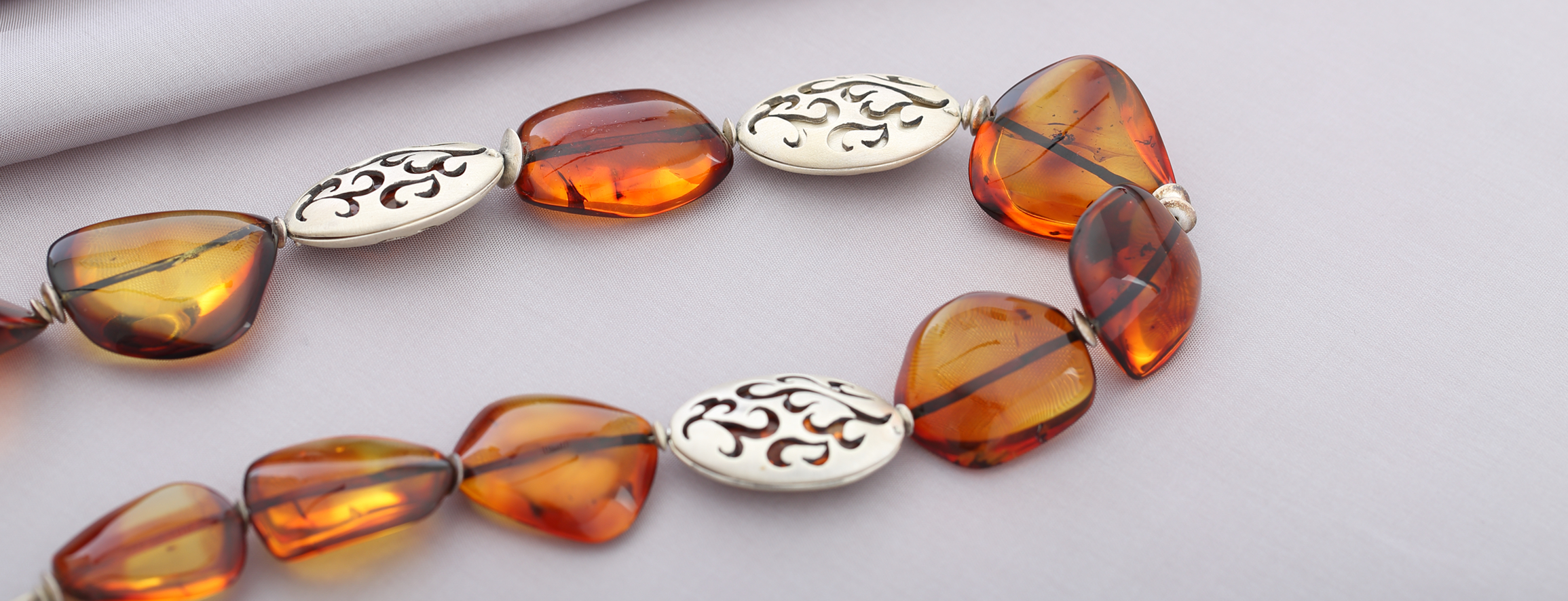
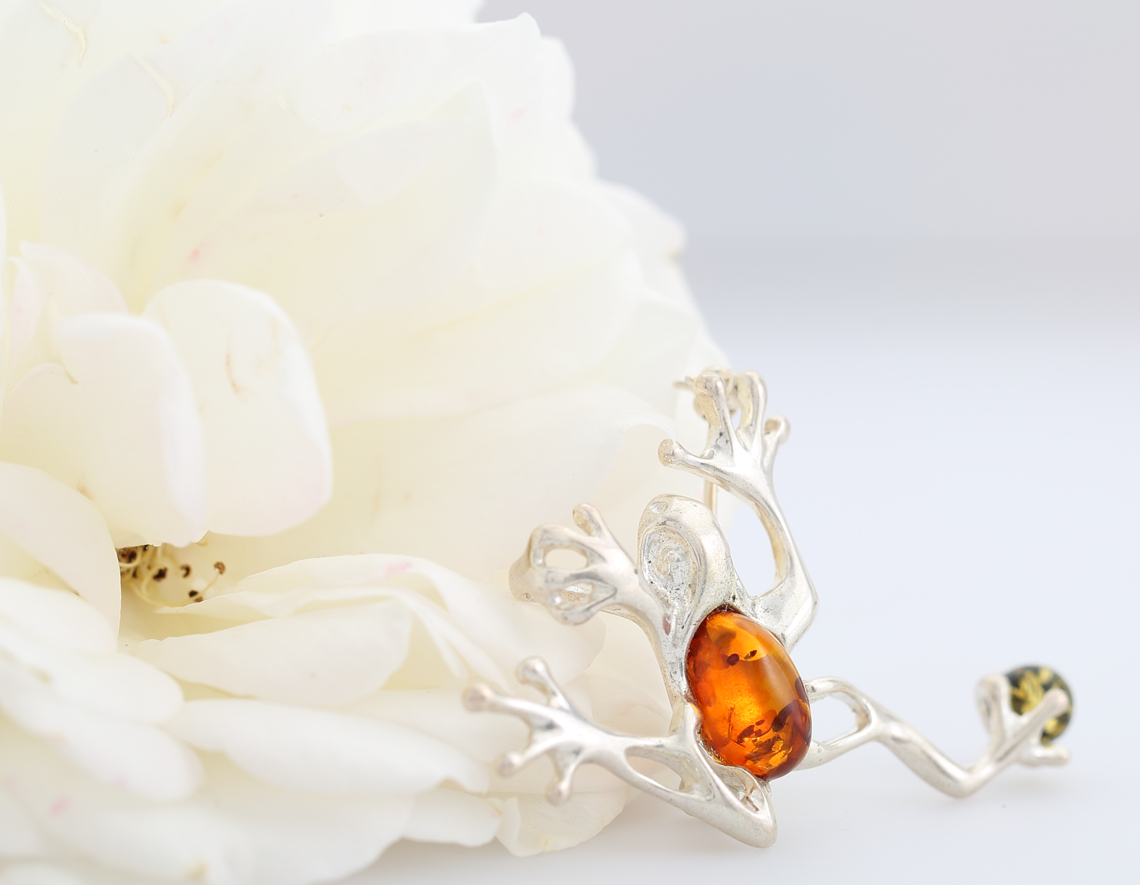
Amber is the ancient resin of trees, transformed over millions of years into an exceptional gem with extraordinary properties. These properties are exploited and used by both craftsman and scientist. Amber is a beautiful stone which may be cut and polished to form a valuable gemstone, but it is also a fossil which can contain preserved insects, small animals and plants that are tens of millions of years old. The inclusions often seen in amber usually add to amber's unique look and in many cases greatly increase its value.
Of all the amber deposits in the world, probably the most famous and certainly the largest is that of the Baltic region, representing some 80% of the world's known amber resource. Known since prehistory, this amber has been used and fashioned by humankind in countless ways and in measureless quantities.
Transformations
The world's major amber deposits are created by exudation of the resin from various species of trees.
Which are most likely a product of insect or fungal assault.
Cut away tree trunk ( to the left) with typical amber channels and pools (A) which formed within the trunks or branches, under the bark (B) as well as on their surfaces (C).
Each of this resins formed by the tree had a unique chemical constituency and was uniform in nature.
Properties
The name amber relates specifically to fossilised resin which has succinic acid - present in its chemical makeup. Baltic amber can have succinic acid present between the ranges of 3 to 8 percent. Amber which is clear usually has the lower levels of succinic acid and this increases as the amber becomes more opaque. Fossilised resin which possess no succinic acid is officially classified as retinite.
Amber is a poor conductor of heat and because of this it always feels warm to the touch. Presence of succinic acid accelerating healing & therapeutic powers of amber.
Colours
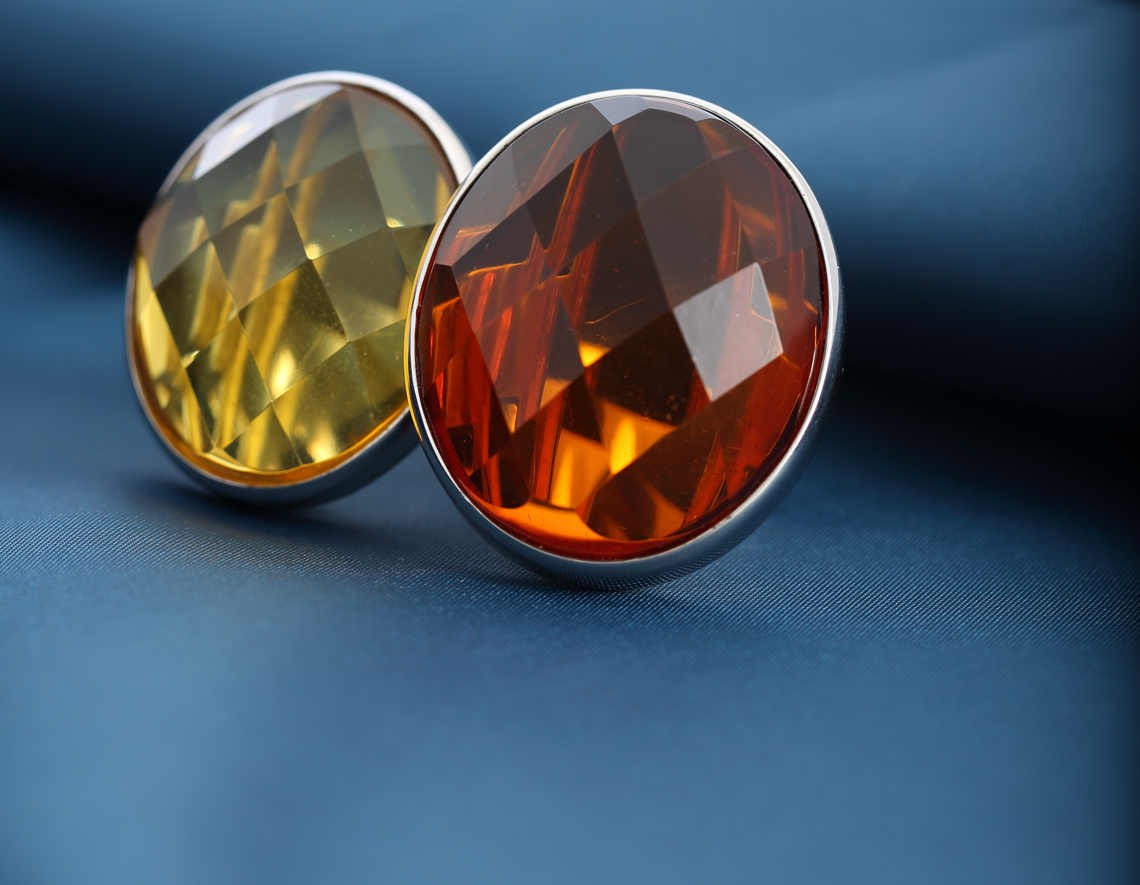
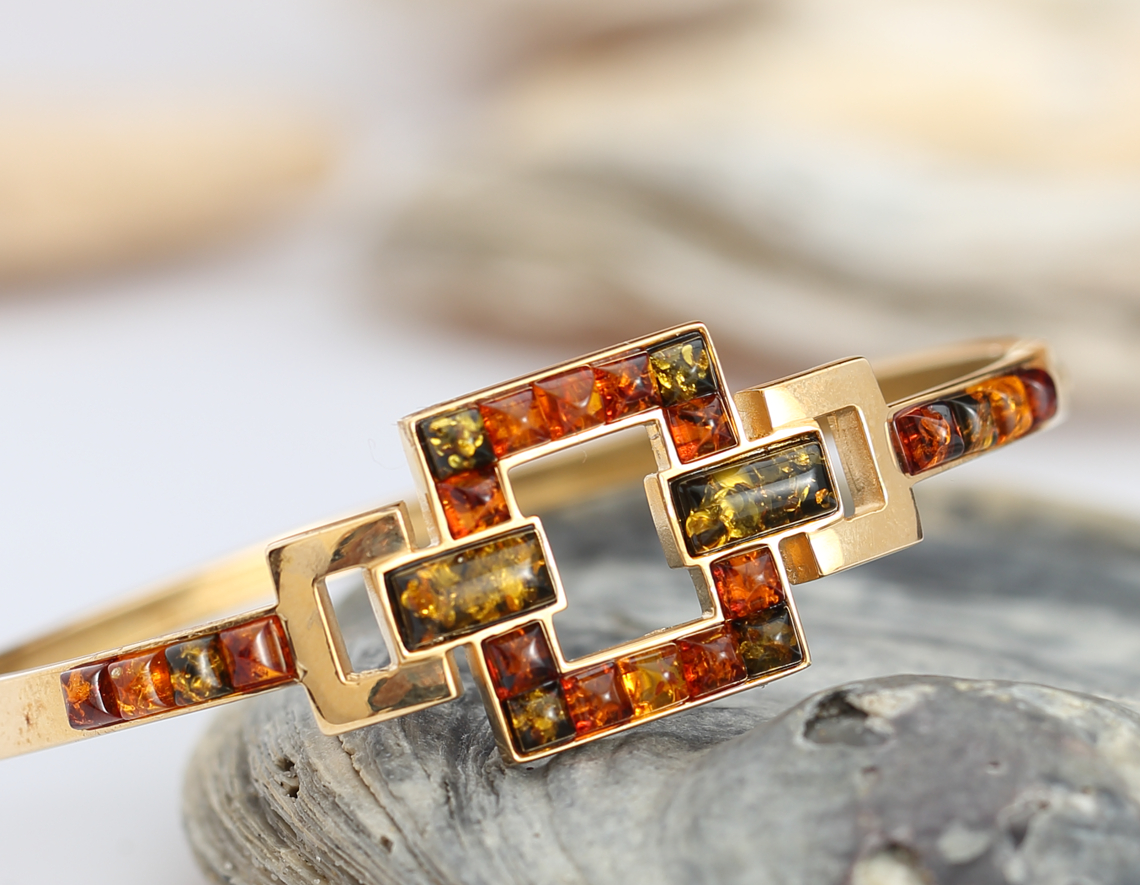
Baltic amber is usually yellow or yellowish, however, the colours range from white, yellow, and brown to red. Green, blue, grey and even black amber are not unknown. Whatever the colour, amber can be absolutely transparent or absolutely opaque. But amber is not always one-coloured: combinations of two or more colours and shades, and patterns (sometimes forming the most brilliant compositions) can be found. For these reasons amber becomes attractive, charming and unique.
Latest News
New company website released
Forever Amber Jewellery established today its new Internet presence with its new website at www.foreveramber.biz